Get ready before the bloom reaches the intake.
Knowing the spread path and expected arrival date at your intake lets you prepare intake changes and treatment for the days they are needed.
The challenge
Treatment plants always meet blooms late.
Once a bloom reaches the intake, treatment load and taste-and-odour complaints arrive together. Knowing earlier buys time.
Sudden treatment load
Activated carbon and coagulant doses must rise in a hurry.
Odour complaints
Bloom water at the intake can lead to tap water odour complaints.
Little upstream insight
It is hard to know from the plant what is happening in the lake upstream.
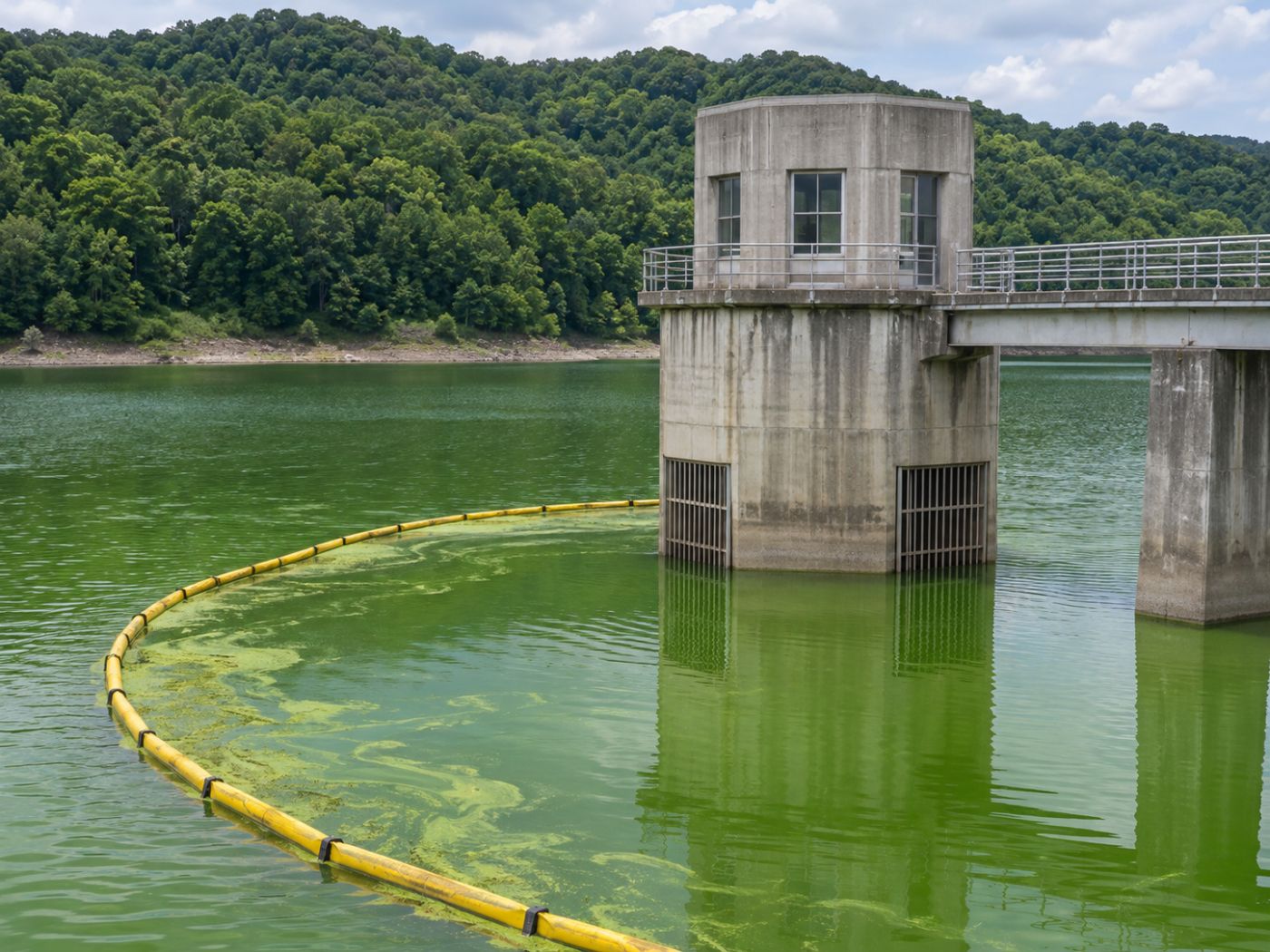
With BASIN
The intake arrival date, as a number.
BASIN calculates bloom spread from wind and flow and tells you when it is expected to reach the intake. Grid forecasts also show which intake side will be at risk first.
- Expected intake arrival date (D+1 to D+7)
- First “watch” date per cell (7/14/30-day forecast)
- Recommended actions by alert level
- On-site verification with intake CCTV (stage 2)
Benefits
What changes when you know 3 to 7 days ahead.
Act earlier, and concentrate treatment on the days that need it.
Adjust intake first
Change intake depth and place booms before the bloom arrives.
Treat on the right days
Concentrate activated carbon and coagulant where needed.
Fewer complaints
Helps reduce intake stoppages and odour complaints.
FAQ
Frequently asked questions
Can municipal water plants use it?
Yes. Register the lake or river reach with the intake as a water body and it works the same way.
Can intake CCTV be connected?
In the on-site verification stage, intake CCTV can be viewed together with satellite and upstream context. The connection is agreed in a pilot.
How does it relate to official algae alerts?
Official alerts are issued from field sampling. BASIN is a screening and forecasting tool that shows where and when concentration will rise before that.
Related pages
Work with us
Start with a satellite screening of your water.
We screen your reservoirs and intakes from public satellite data first, then compare the results with your own field measurements. No equipment needs to be installed.